
Warm wooden desk setup ideas that actually age well
A wooden desk setup guide that gets the details right — solid wood vs veneer, oiled vs lacquered finishes, matching wood tone to your room, and warm light that brings out the grain.

A warm wooden desk lives or dies on two decisions you make before anything goes on it: what the top is actually made of, and how it's finished. Get those right and the desk looks better in three years than it did on day one. Get them wrong and you're looking at a scuffed veneer edge or a plasticky sheen that fights every warm light in the room. Start with the top, then let the wood set the tone for everything else.
You can see how these warm-toned builds come together in the desk setup galleries — worth a scroll before you pick a wood tone.
Know what your top is actually made of
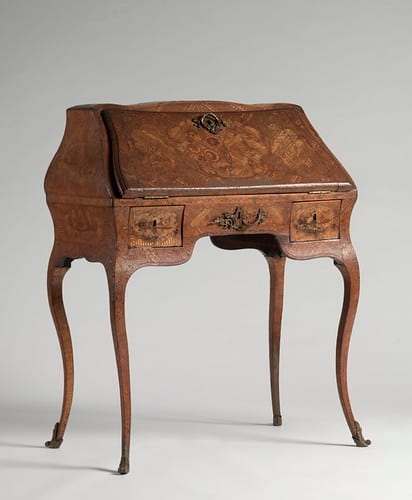
"Wood desk" covers four very different things, and they age in four different ways.
- Solid wood — a real plank, all the way through. Heavier and pricier, and the one that takes a scratch and sands back to new. Oak, walnut and ash are the common desk species. This is the top you keep for a decade.
- Veneer — a thin layer of real wood over MDF or plywood. It looks real because the surface is real, but the veneer is often under a millimetre thick, so a deep gouge reaches the board underneath and can't be sanded out. Fine for years; unforgiving at the edges.
- Butcher-block — narrow strips of solid wood glued into a slab. Warm, chunky, usually the best value in real solid wood, and happiest oiled.
- Bamboo — technically a grass, sold in board form. Lighter in tone, very hard-wearing, and the cheapest way into a "real material" top. The grain is straighter and busier than hardwood, which reads more modern than cozy.
If you're buying one desk to keep, solid wood or butcher-block reward you. On a budget or moving soon, a good veneer or bamboo top looks great for a fraction — just be gentle with the corners.
Oiled vs lacquered, and how each one ages
The finish matters as much as the wood, because it decides how the desk changes over time.
An oiled finish (hardwax oil, Danish oil, tung oil) soaks into the wood and leaves a low, matte, almost bare feel. The grain stays open and tactile. It develops a patina, it takes the occasional water ring, and — the good part — you can re-oil a tired patch in ten minutes without refinishing the whole desk. Plan a light re-coat maybe once a year.
A lacquered (or polyurethane) finish sits on top of the wood as a hard, sealed film. It shrugs off spills, it's the easiest to wipe clean, and it looks consistent for years. The trade-off: when it wears through at your mouse hand or the front edge, you can't spot-fix it — you sand back the whole film and start over. High-gloss on a desk also shows every fingerprint and throws glare from your lamp.
If you want the warm, hand-made look, go oiled and matte, and accept that it needs the occasional wipe of oil. If you want low-maintenance and spill-proof, go satin lacquer — not gloss. A satin sheen hides fingerprints and softens reflections from your desk lamp.
Match the wood tone to the room, not to a photo

A wooden desk doesn't sit in a void — it sits against your floor, your wall and your chair. The tone that photographs beautifully in someone else's flat can clash badly in yours.
A quick way to keep it calm: pick a tone that either matches the dominant wood already in the room or clearly contrasts it. The trap is landing in between — a mid-oak desk on a slightly-different mid-oak floor reads as a mistake, not a choice. Warm walnut looks rich against white and grey walls; light oak and bamboo keep a small room feeling open.
This is the same discipline behind a good minimalist desk setup — two materials, chosen on purpose.
Light it warm to bring out the grain
Wood grain needs warm light to show its depth. Cool white flattens it into something that could be laminate. Aim for a desk lamp or bias light around 2700K — the warm end of the range, closer to an old incandescent bulb than to daylight. That warmer color temperature pulls the reds and golds in walnut and oak forward and gives the whole desk a lamplit feel in the evening.
Position matters too: a light raking across the top at a low angle catches the grain far better than one blasting straight down. One warm lamp off to the side does more for a wooden desk than any bright overhead.
Keep the tech from clashing
Here's the honest tension: most of our gear is black plastic and aluminium, and a slab of warm walnut is neither. Left alone, a black monitor, keyboard and speakers can sit on wood like a pile of electronics dropped on a nice table. A few things quietly fix it:
- Let black be the accent, not the field. Black tech looks intentional on wood when there's not too much of it. This is another reason a monitor arm helps — it lifts the black bezel off the surface and clears the base.
- Warm up the metal. A keyboard with wood or grey keycaps, a natural-toned mouse, or a fabric-topped desk mat breaks up the black and ties back to the wood.
- A wood-friendly desk mat. A large mat in felt, cork or muted fabric defines the keyboard-and-mouse zone, protects the finish from wrist oils and pad wear, and stops the tech from reading as clutter — the single accessory that does the most on a wooden top.
Route cables without drilling into a top you care about
Cable management on wood needs one rule the white desk setups can ignore: don't screw adhesive-and-screw clips into a solid wood top. Solid wood moves with humidity, screw holes are permanent, and a self-tapping clip can split a nice plank. Under a veneer or bamboo top the screw bites into the board and can lift the surface layer.
Route instead with clips and trays that mount to the underside or the metal frame, or use removable adhesive channels rated for the finish (test on a hidden spot first — some adhesives pull at an oiled surface). The complete desk setup guide walks the whole cable path; on wood, just keep the fasteners off the good surface.
Who a wooden desk is for
A wooden desk is for people who want the workspace to feel like furniture, and who don't mind a little care in exchange for a lot of warmth. If you want zero maintenance, satin lacquer or a white desk may suit you better. But for a room that should feel calm and lived-in, a warm oiled top under a soft 2700K lamp is hard to beat — and it only gets better with age.
About this article
- Published by Ines Okafor — Ines Okafor writes about small-space workspaces and calm, low-clutter desk setups for The Desk Nook.
- Claims fact-checked against cited sources: Yes
Keep reading

A complete budget desk setup under $300 (2026)
You can build a genuinely comfortable desk setup for under $300 if you spend on the parts your hands and eyes touch and save everywhere else. Here's the whole…

The complete guide to building a desk setup (2026)
If you want the short version: build from the desk up , spend money where your hands and eyes touch the setup, and route the cables last but never skip them. A…
Mac mini desk setup ideas for a clean, compact workspace
The Mac mini's whole appeal for a clean desk is that it almost isn't there. It's a small square block you can tuck under the monitor, mount behind the screen,…